

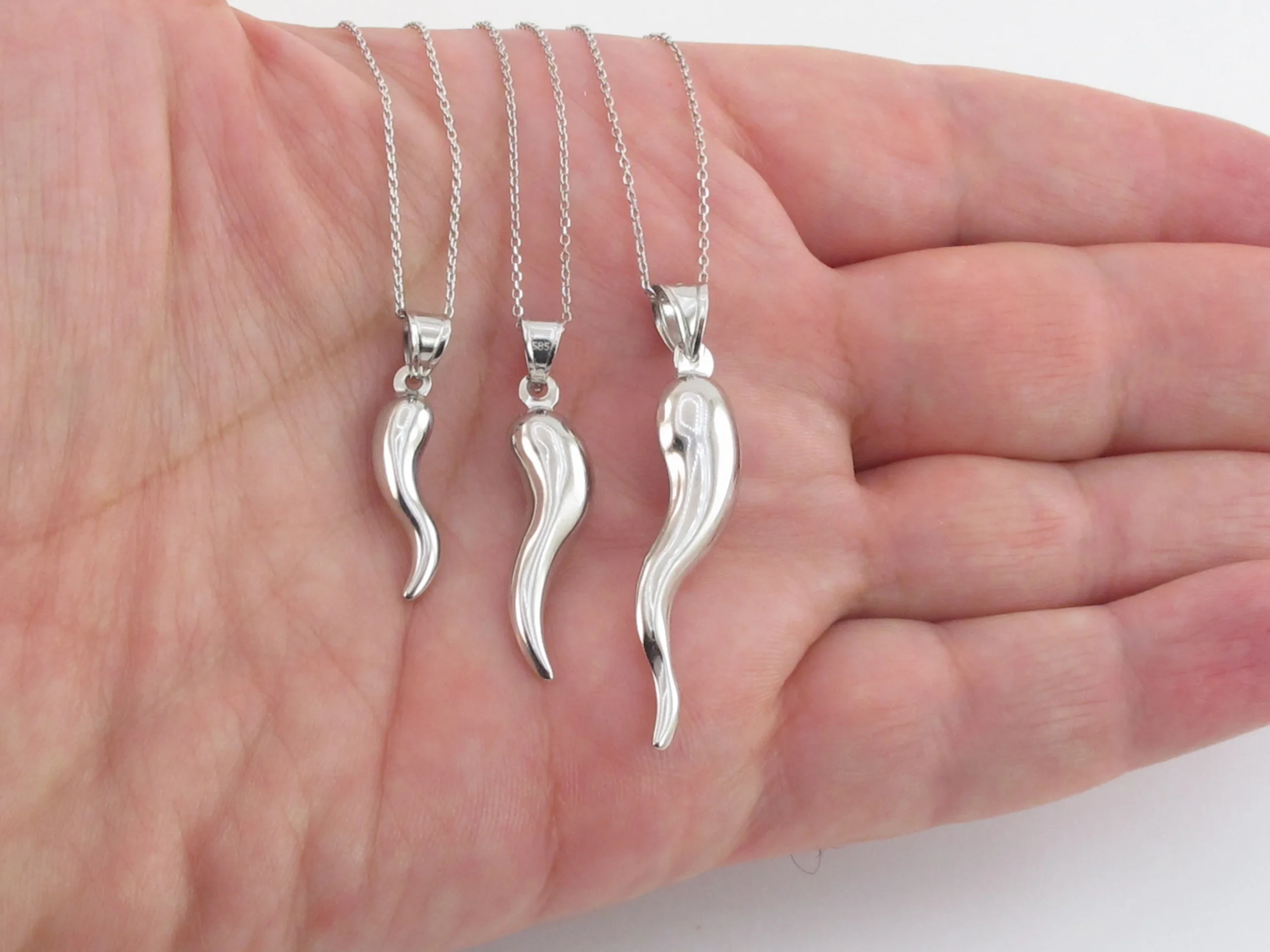
Traditionally associated with good fortune and protection from the evil eye, the Italian horn has been crafted in various forms and sizes for generations. Today, it appears in jewelry for all genders, from men’s pendants to women’s Italian Horn necklaces, blending historical meaning with modern aesthetics. A key aspect of its enduring appeal lies in the choice of materials and the craftsmanship techniques that bring each piece to life.
Traditional Materials and Their Symbolism
Historically, the Italian horn was made from natural materials readily available to local artisans. One of the earliest versions was carved from red coral, prized not only for its vivid color but also for its association with vitality, health, and protection. Coral from the Mediterranean was especially sought after, linking the amulet to the sea—a source of sustenance and mystery in coastal Italian communities.
Another traditional material was bone or horn from animals, which connected the talisman to nature’s strength and fertility. The use of animal horn was symbolic in itself, echoing the amulet’s shape and reinforcing its association with vitality and abundance.
Over time, precious metals became more common. Gold, in particular, took on special significance. Not only was it durable and lustrous, but it also carried connotations of wealth, status, and enduring luck. Silver, with its cool sheen and affordability, became a popular alternative, offering elegance while maintaining symbolic power.
Modern Materials in Italian Horn Jewelry
In contemporary jewelry-making, artisans experiment with a range of materials beyond the traditional. While gold and silver remain timeless choices, stainless steel, brass, and even acrylic have expanded the possibilities for design and accessibility. Enamel coatings allow for vibrant colors beyond coral red, from deep green to soft pastels, appealing to a variety of style preferences.
Some designers also incorporate gemstones into Italian horn designs. Diamonds, onyx, turquoise, and other stones can be set into the surface of the charm or paired with it in multi-pendant arrangements. This adds a layer of personalization, allowing the amulet to be both symbolic and a reflection of individual taste.
Craftsmanship Techniques
Artisans shape the horn’s well-known curve and slender tip in wax, which then serves as the base for a mold. Using the lost-wax casting method, hot liquid metal is poured into the mold, forming a solid shape ready for finishing. Once cast, the piece is trimmed, smoothed, and at times etched with ornamental designs or initials.
Handcrafting is still valued in many regions of Italy, especially in small workshops where techniques are passed down through generations. Hand-carving coral or bone, for example, demands careful attention to detail to maintain both symmetry and the smooth flow of the curve. Each artisan brings subtle differences to the work, meaning no two handcrafted pieces are ever truly identical.
For modern mass production, machinery aids in shaping and polishing, ensuring consistency in size and design. While this makes the amulet more widely available, many collectors still seek out hand-finished pieces for their individuality and connection to traditional craftsmanship.
Preserving Quality and Longevity
Regardless of the material, care plays a significant role in preserving an Italian horn. Coral requires gentle handling and protection from chemicals to maintain its color and surface. Metals like silver may tarnish over time, but can be restored with proper polishing. Gold remains largely resistant to corrosion, yet still benefits from routine cleaning to keep its shine.
Skilled workmanship guarantees not just visual charm but also lasting strength. A well-made Italian horn can last for decades, becoming a cherished keepsake passed from one generation to another. Whether in coral, gold, or contemporary materials, the amulet’s appeal lies in its combination of symbolism, artistry, and lasting quality.
From ancient coastal villages to modern jewelry studios, the Italian horn’s journey reflects a seamless blend of history and innovation. Each choice of material—be it natural, metallic, or synthetic—adds a layer of meaning to the piece, while craftsmanship determines how that meaning is expressed. In today’s market, designs range from minimal and modern to ornate and traditional, ensuring that both casual wearers and devoted collectors can find a style that resonates. Among these, women’s Italian Horn necklaces continue to stand out as timeless expressions of both cultural heritage and personal style.
