

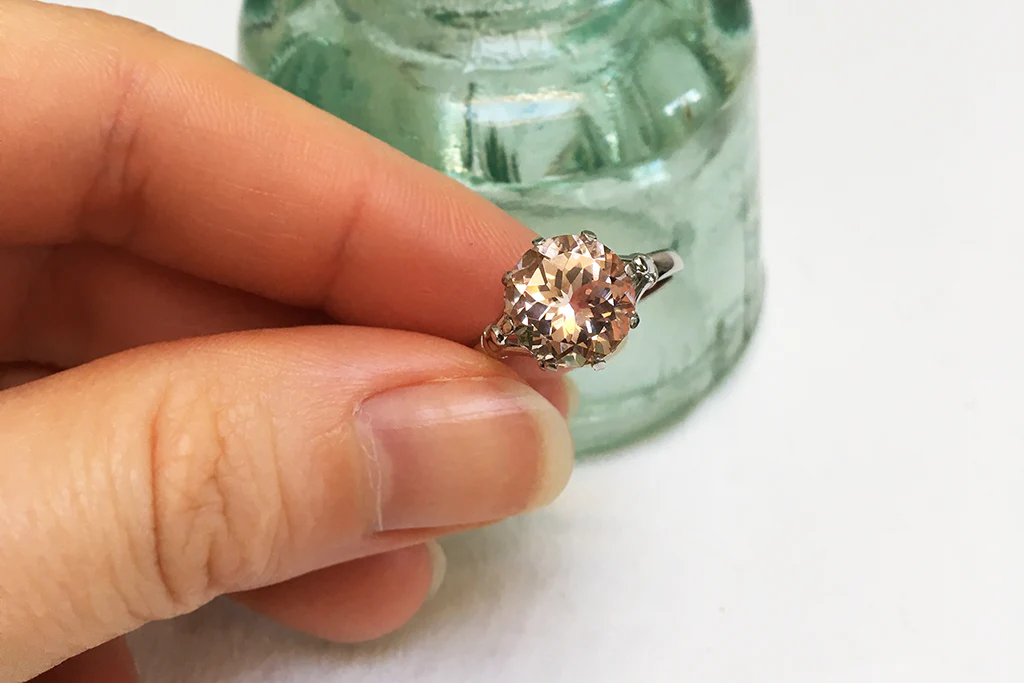
Jewellery remodelling sits in an interesting space. It’s not repair. It’s not restoration. It’s taking existing jewellery, its metal, stones, or both, and transforming it into something new while retaining the material and often the sentimental value of the original.
Finding a jewellery remodelling specialist who handles this well requires understanding what the work actually involves and what skills it demands.
Why Remodelling Is More Complex Than It Looks
From the outside, remodelling might seem like taking one piece apart and putting it together differently. The reality is considerably more involved.
Old gold varies in alloy composition. Gold from different eras was produced with different alloy combinations, which affects how it behaves when worked and what it can be combined with. A jeweller needs to understand what they’re dealing with before the design conversation even starts.
Old stones have been cut to different standards than modern stones. Old-cut diamonds have different proportions, different facet arrangements, and work better in some settings than others. Resetting them without understanding this produces results that diminish rather than showcase the stone.
Vintage pieces sometimes have structural issues from age, wear, or previous repairs. An honest assessment of what’s workable and what isn’t is part of the process, not an afterthought.
What Drives the Decision to Remodel
Most remodelling projects start from one of a few situations.
Inherited jewellery that’s meaningful but unwearable as it is. The style belongs to a different era. The piece doesn’t fit. It carries complicated associations alongside the sentimental value.
Jewellery from a relationship that ended, where the material has value but wearing the original piece doesn’t make sense.
A collection of smaller pieces, odd earrings, rings that no longer fit, broken chains, that individually aren’t worth much but together contain enough gold or stone quality to produce something worthwhile.
Each of these calls for a different design conversation and a different approach to the remodelling itself.
The Assessment Before the Design
Before any design work happens, an honest material assessment is essential. What gold purity is in the piece and what condition is it in? Are the stones set well or are there existing problems that will need addressing? Is there enough material to produce what the client is imagining, or will additional material be needed?
This assessment stage protects clients from committing to a design that can’t be executed with what they have. It also surfaces things about the original piece that affect what’s possible and what the new design should account for.
Old Stones in New Settings
Old-cut diamonds have genuine character. The large facets, the higher crown, the smaller table, all of these produce a different quality of light return than modern brilliant cuts. It’s not better or worse, it’s different, and many people find it more interesting.
Setting an old-cut stone well means understanding what setting style will show its particular character to best advantage. Certain settings complement the old-cut look. Others work against it. Getting this right is a design decision with meaningful consequences for the finished piece.
What the Process Looks Like
A remodelling consultation covers the existing material, the design direction, and realistic expectations for what the result can be. After assessment and design, a sketch or CAD render shows the proposed new piece before anything is built.
Fabrication follows from there. The timeline is similar to new custom work, typically three to six weeks, sometimes longer depending on complexity and what the assessment reveals.
