

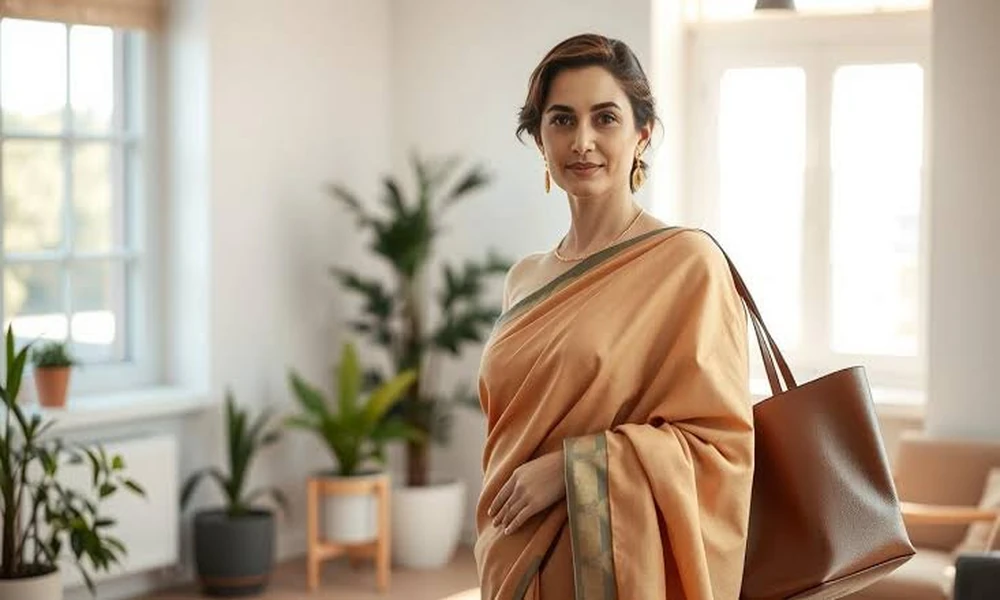
Texture is the unsung hero of a great saree. It decides how the fabric falls, how the light catches it, how comfortable you feel wearing it for hours. Modern sarees offer more textures and drapes than ever, from airy and fluid to soft and structured. Knowing them helps you pick one that flatters and actually moves with you.
Why Texture Shapes the Whole Look
Two sarees in the exact same colour can look completely different once texture gets involved. A crisp fabric holds its pleats and structure. A fluid one glides and drapes close to the body. That changes the silhouette and the mood in one go. A fabric like the Chiffon Sarees range makes the point, its light, floaty texture folding into soft, elegant lines that suit nearly every figure. Understanding how a texture behaves is really the first step to a saree you will genuinely enjoy wearing.
Matching Texture to the Occasion
Different textures suit different settings and different drapes.
| Texture | Feel | Best For | Light and sheer | Airy, flowing | Daytime, summer | Soft and fluid | Graceful drape | Evenings, parties | Crisp and structured | Holds pleats | Formal events | Rich and textured | Weighty, regal | Weddings |
Pick a texture that fits the moment and both styling and comfort get a whole lot easier.
Finding the Right Drape for You
The way a saree drapes can flatter your frame or fight it. A few things to keep in mind:
- Fluid fabrics skim the body and suit most figures.
- Structured fabrics add shape and work well on slimmer frames.
- Lighter textures feel cooler and easier through long days.
- Heavier textures bring drama but ask for more confident draping.
- Not sure? A soft mid-weight fabric is the easiest to carry all day.
Textures Made for Modern Draping
Contemporary saree styling loves a fabric that moves. Fluid, lightweight textures lend themselves to modern drapes and a bit of creative pleating. They fall in soft folds that photograph beautifully and feel light on. Because they drape so willingly, they handle experimental styling far better than stiff fabrics do. A fabric like the Georgette Sarees range is a modern favourite here, thanks to that slight grip and lovely flowing fall.
Caring for Different Textures
Each texture asks for slightly different care:
- Dry clean the delicate sheers to protect the weave.
- Store fluid fabrics folded, not hung, so they do not stretch.
- Steam gently rather than pressing hard on textured weaves.
A little care keeps each texture looking its best for far longer. Once you know how a fabric behaves, choosing and caring for it becomes second nature. And that is when sarees get fun. You stop second-guessing every fabric and start trusting your hands. A quick touch tells you how something will drape and how it will feel by hour four.
The Takeaway
Finding the right texture and fit is what makes a saree feel effortless. Match the texture to the occasion, pick a drape that flatters you, and look after each fabric well. Have a browse through the saree textures on AJIO and find the fit and feel that suit you best.
FAQs
1. Why does saree texture matter so much?
Because it quietly decides everything. How a saree falls, the way it catches the light, how it feels after a few hours, all of it comes down to texture, which shapes your silhouette and your comfort.
2. Which textures suit modern saree draping?
The fluid, lightweight ones like georgette and chiffon. They flow beautifully, so they take to creative drapes and pre-stitched styles far more happily than a stiff fabric would.
3. What texture is best for summer or daytime?
Something light and sheer. It feels airy against the skin, just what you want for warm weather and a long day out.
4. Which drape flatters most figures?
A soft, fluid fabric that skims the body rather than clinging. It suits the widest range of figures and is easy to manage.
5. How do I care for delicate saree textures?
Dry clean the sheers rather than washing at home. Store the fluid ones folded instead of hung so they do not stretch, and steam gently rather than pressing hard.
